Disturbed Sleep Isn’t Just Physical: The Emotional Toll of a Night-Time Diagnosis

June is Men’s Health Month, and while we often talk about muscle, metabolism, or motivation, there’s one silent struggle that goes unnoticed in many young men’s lives: sleep issues. You might think of sleep problems as just being about snoring or feeling tired. But for many, it’s far deeper — and far more emotional.

Let’s talk about it.


When Sleep Stops Feeling Safe

One young man, in his early 30s, came in worried that he was waking up exhausted even after 8 hours in bed. At first, he brushed it off — maybe it was stress, a tough week, too much caffeine. But as days turned into weeks, he started snapping at people at work, skipping the gym, and finding himself avoiding social plans.

Eventually, a diagnosis came in: sleep apnea. It shocked him. “Isn’t that something older people get?” he asked. He felt embarrassed, almost ashamed. The idea of using a machine at night made him feel “broken” — even though the diagnosis gave him answers, it also opened up a flood of uncomfortable emotions.


Why These Emotions Happen

Sleep disorders don’t just affect your energy — they can mess with your sense of control.

  • You might feel angry that your body isn’t working the way it used to.
  • You might feel frustrated that you can’t fix it quickly.
  • You might feel ashamed to talk to your doctor, especially if you’re worried the conversation might lead to uncovering other issues, like weight gain, anxiety, or burnout.
  • You might start avoiding things you usually enjoy — working out, eating well, connecting with people — because you just don’t feel like yourself.

This is called the emotional domino effect: one health concern can trigger a chain reaction that affects your confidence, relationships, and mental health.


Let’s Normalize This

Here’s the truth: many young men struggle silently with sleep and feel too ashamed to speak up.

You’re not alone.

Getting diagnosed with something like sleep apnea or chronic insomnia isn’t a sign of weakness — it’s a signal from your body that something needs care, not control.

And guess what? There’s strength in caring for yourself.


What You Can Try This Week

You don’t have to overhaul your life. Try one of these strategies to help break the emotional chain that disrupted sleep can cause:

1. Name Your Emotion (Not Just the Problem)

“I feel defeated when I wake up tired” is more powerful than “I hate this.”
Naming what you feel can help release it, instead of letting it run your day.

2. Create a Gentle Nighttime Ritual

Add 5–10 minutes of quiet wind-down — no screens, just music, stretching, or journaling.
This sends a signal to your nervous system: it’s okay to relax.

3. Eat One Meal With Your Body in Mind

Pick one meal a day where you pause and ask: “Will this help me feel nourished, even just a bit?”
This isn’t about a perfect diet — it’s about giving your body one small win.

4. Text One Friend to Hang Out

Lack of sleep can make us isolate. Just texting someone to connect can break the cycle.


When You Might Want to Talk to Someone

If you’re noticing:

  • You feel stuck in frustration or shame.
  • You’ve stopped doing things you used to enjoy.
  • You’re worried this might be more than just poor sleep.

You don’t have to figure it out alone.

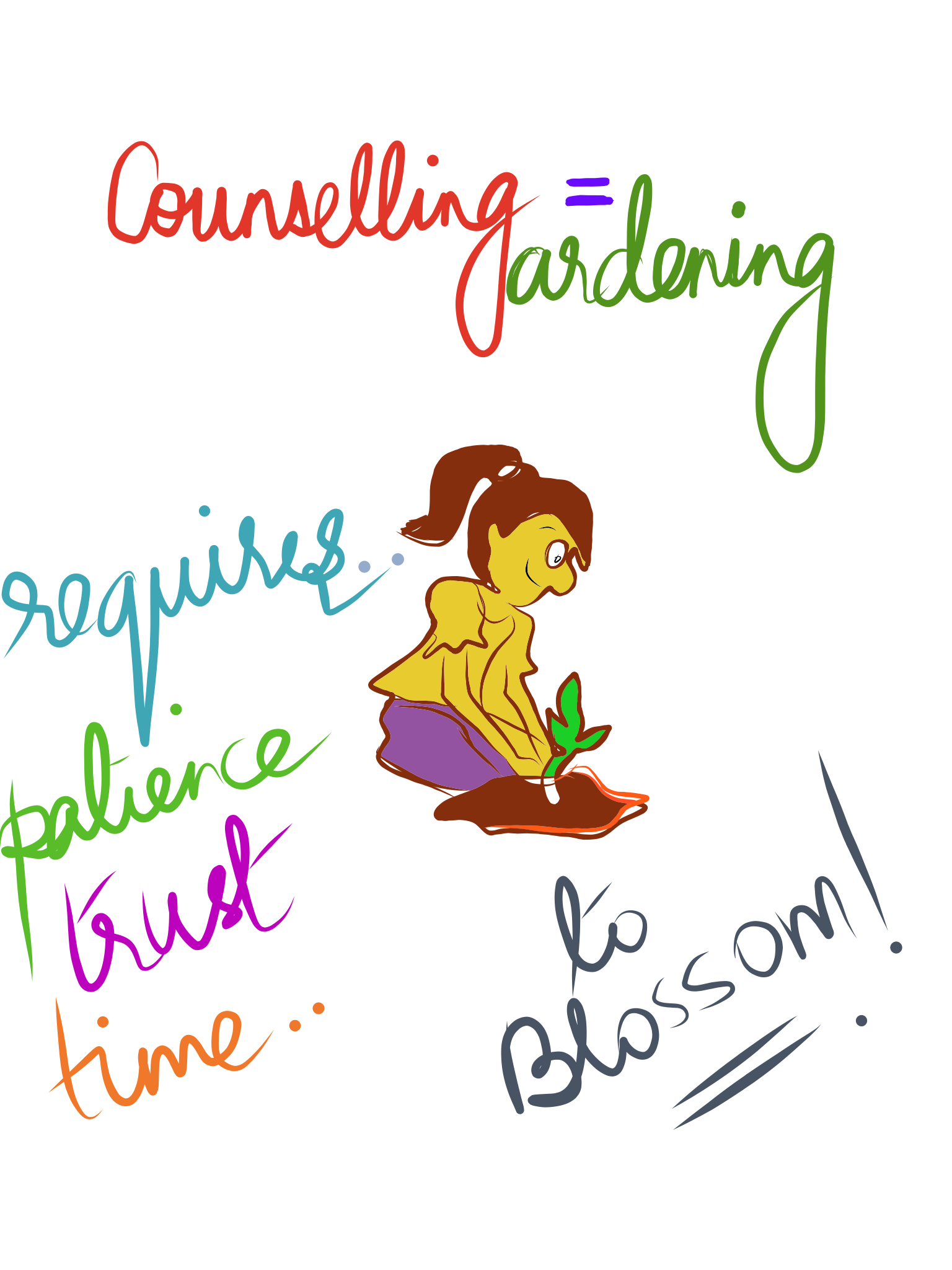
Talking to a therapist can help you unpack what’s going on emotionally — not just physically. Sometimes we need an outside perspective to hold us accountable in a compassionate way.


Final Thoughts

Men’s Health Month isn’t just about the body — it’s about the whole person. If sleep issues have crept into your life and brought uninvited emotions with them, remember: this isn’t about fixing what’s “wrong” with you. It’s about finding support for the version of you that’s quietly trying to get through the night — and the day.

You deserve rest. You deserve peace. You deserve to feel like yourself again.

How many therapy sessions do I need?

If you are ready to embark on the beautiful journey of self-discovery, congratulations! You are taking a step towards self-improvement. Counselling A.K.A therapy could play a big role in that and that is why you are exploring the different options out there. Often times potential clients will reach out to understand what they should be expecting in therapy but also wonder how many therapy sessions they need. Here we will try to address that question for you.

Self-discovery, as you might know, is a process to uncover, understand, and maybe even correct the way you would like to approach situations and emotions. Sounds simple but we do have factors that you have experienced in your lives that have shaped the way you think and behave. You can now imagine, it can be very different from one individual to another, one issue to another, and one therapy style to the other. With innumerable such combinations, this makes it very hard to precisely tell how many sessions you need.

Let’s narrow down on this by the style of therapy. I have been practicing the Cognitive Behaviour Therapy style (What is CBT?) extensively with my clients who are solution-driven and need activity-based approach to their sessions. This style of therapy is also a great option when there is a limitation on the number of therapy sessions you want to take and want to get to the root cause faster.

Even though CBT is effective in getting to the root of the issue faster, it does require a commitment of 7-8 consecutive weekly sessions to explore and conceptualize the issues that are affecting your well-being. Here your therapist is able to discover, analyze, and start suggesting the various resources, tools, and activities that will work for your specific case. Think of this as a customized prescription for you. These tools and activities can also be termed under ‘healthy coping strategies’ which help you to manage your emotions effectively and immediately.

As an example: When you are facing issues that result in low self-esteem at work, your therapist will likely explore other facets of your life that have forced you to think and feel a certain way. Some aspects that are most commonly explored will be childhood, relationship with parents, siblings, and significant others, current coping strategies, etc. To understand all these parts of your life at a depth that’s valuable to extract information out of and conceptualize for you cannot be achieved by one or two 50-minute sessions. This is why we spend some time upfront to assess your past and present situation but rest assured, we will come to place where you will be able to challenge your unhelpful thoughts. These sessions will involve resources, tools and strategies that will help you to be more mindful of how certain actions and responses leave you feeling low on self-esteem and create that awareness around your emotions and thoughts to actively confront that.

After experiencing and applying some of the strategies you learned from your initial sessions, you can choose to practice these strategies by yourself or if you still feel like you would like to practice or share new insights with your therapist you can continue to have monthly/bi-monthly sessions to check-in how you are doing or to reinforce strategies that you have worked on. It is also completely healthy to have a check-in sessions year after year with your therapist.

It is important to note that we have used a very simple example here to let you know what therapy looks like and as mentioned earlier the process of therapy varies from individual to individuals and issue to issue.

If you are contemplating starting therapy you can use this as a rough guide to what to expect and whenever you feel ready, do not hesitate to reach out to me at zainab@cheerupcs.com Looking forward to helping you through your journey.

Warmly,

Zainab

What are Fair Fighting Rules In a Marriage?


How to be FAIR & NICE even while Fighting with your spouse?

rules - ask yourself

  1. Why are you really upset about? Is it the bread that he/she had to buy, and it was not done or its the frustration of having to do everything by yourself? Make sure you know what you are arguing about. Be clear in what you are saying, if not the argument can go all over the place.

Rules One issue at a time2. One issue at a time! Discussing one issue can move to talking about all the years in the past that the person has done wrong. Again that will lead nowhere.


Rules _ no character Attack

3. Degrading language will just hurt your partner. Instead of the action being discussed, we will be name – calling. swearing. Nothing positive will come out of that.


rules - take responsibility4. ‘I’ statements. Take responsibility of what you are feeling. I feel angry when you do not help me out while doing the dishes, I feel anxious when you do not come back home early. When we take responsibility, we stay away from blaming the other person.


Rules _ no yelling5. Screaming & Shouting will just increase the volume. It would not solve any problems.


Rules - dont shut yourself up6. Do not walk away from problems. When you choose to stay quiet and lock yourself up, you are not bringing a closure to your problems.


Rules - come to an understanding7. The most important point. Find a middle ground. No two people are the same. There will be problems. Love will get you to middle ground. That will keep your relationship healthy.


Good luck! Do leave us your comments if you do have some interesting rules to share with us!

How to deal with Pent up feelings!

Communication

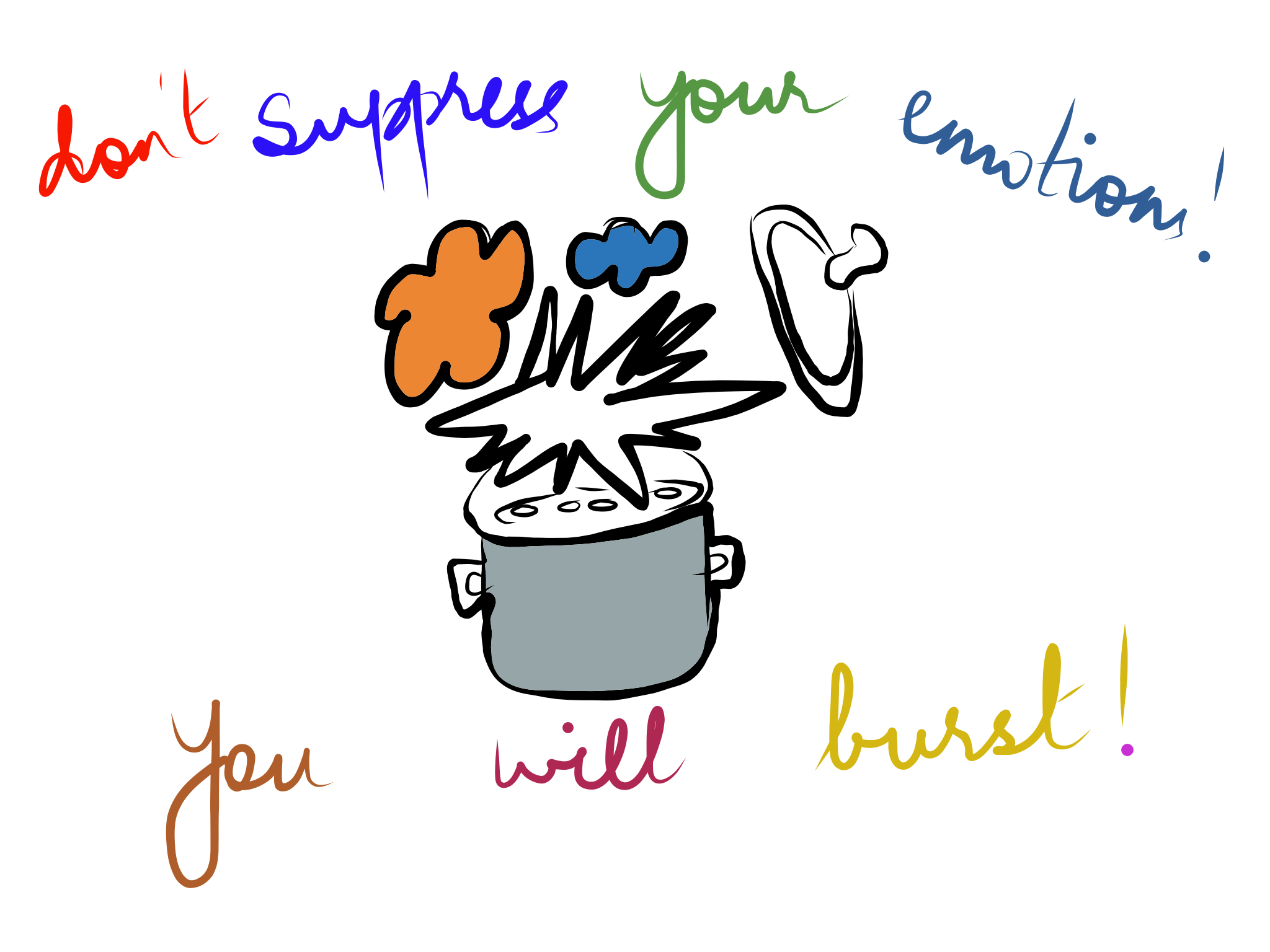
Communication is the key to healthy relationships. Make sure you speak out. Do not let them remain lingering in your thoughts. It will just make you feel more miserable. Speak up! Suppressed feelings will only take you to a point where you will burst out in situations where it might be inappropriate. That will make you feel crap about yourself. Talk it out when it bothers you. Do not procrastinate over it.


talk it out


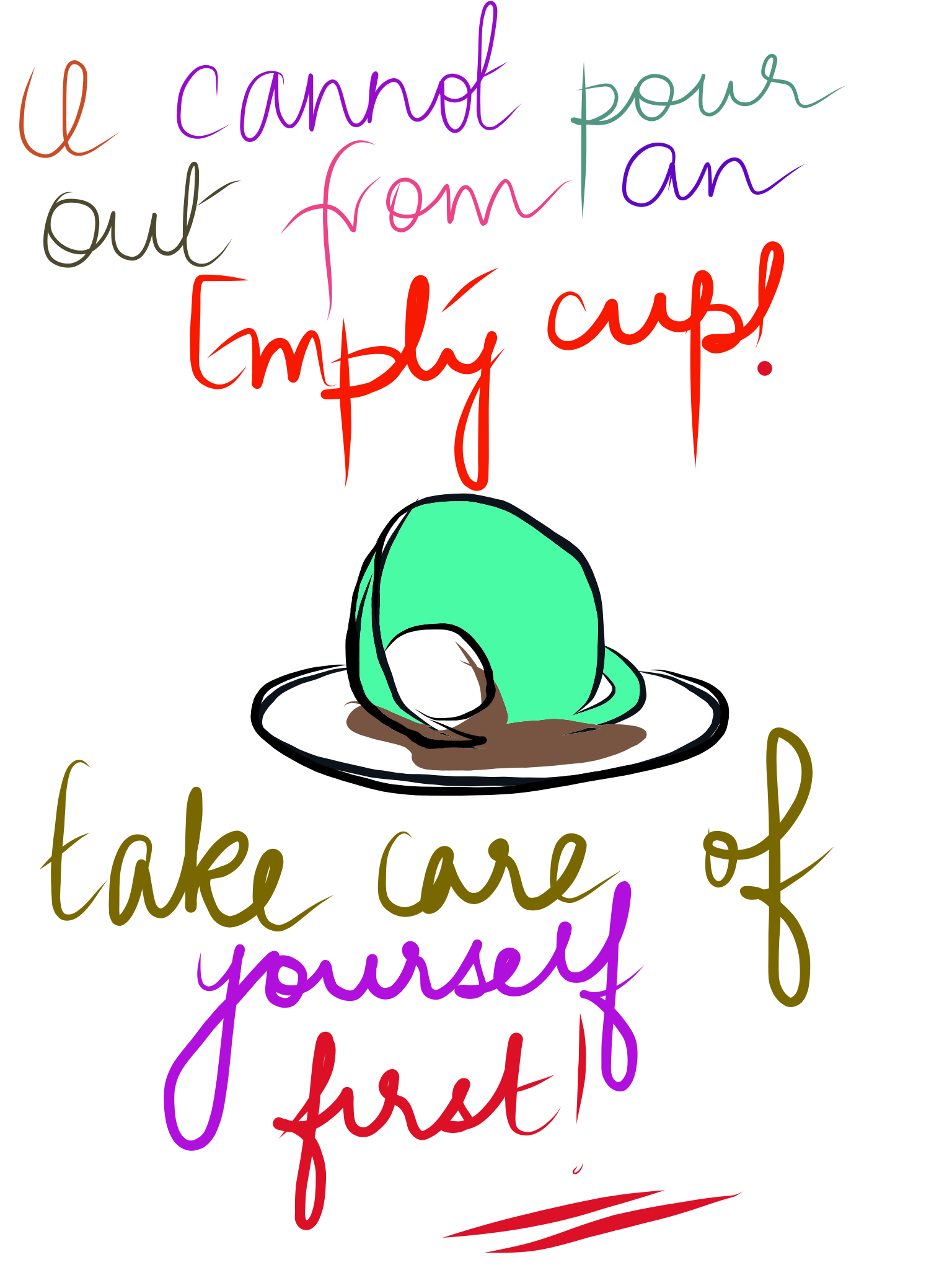
Take care of yourself!

If you need to speak to someone. Call me at 647 939 1730 or email me at zainablehry@gmail.com.

How To Make A Long Distance Relationship Work!

What can you do to help yourself?


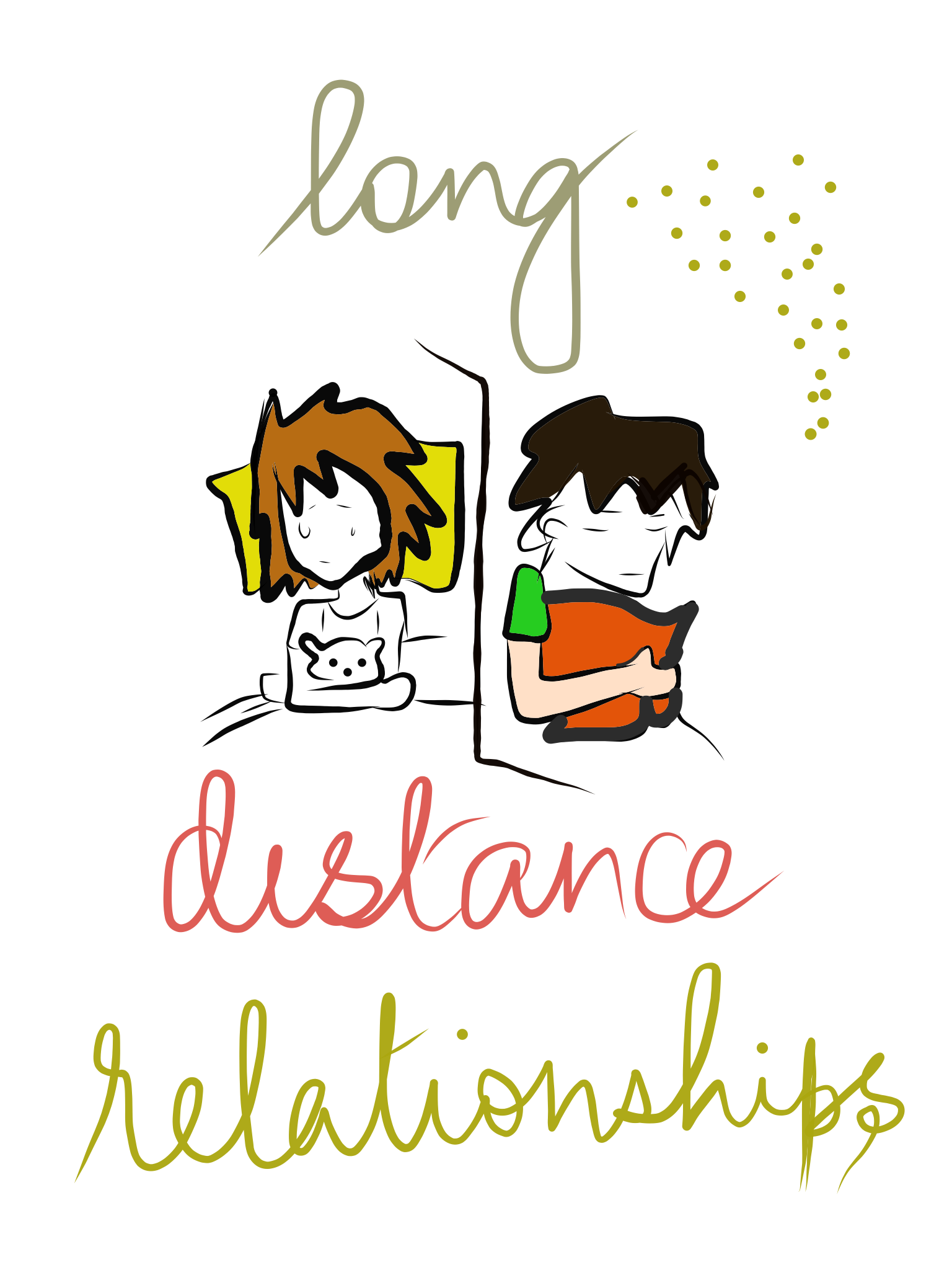
1. Communicating is IMPORTANT, getting Possessive is harmful. Do not over-compensate the distance by suffocating each other.

LD - possessive

2.  Space will always help you enjoy the small things which are generally ignored when two people stay together.

LD - distance stronger


3. Visit each other often. It is important to see each other.

LD Visit

4.  Take advantage of  the expanse  of  ‘Technology’

Ld - technology

5.  Do not be Embarrassed about your needs.

LD sex

6.  Very important to Stay Positive. Positive thoughts with keep you healthy physically & emotionally.

LD - STay positive

7.  ‘Alone time’ – You will miss it, when you don’t have it.

LD - enjoy your time


Long Distance Relationships are not easy! But they are not that difficult either. Just make sure you have a day filled with activities to do. Balance it out. Be happy. Take care of yourself. Only you can do that. Stay Strong!

If you still feeling low. Take professional help. It is available!

email me zainablehry@gmail.com

How To Overcome Seasonal Affected Disorder

Winter Blues! What to do?

  1. Walking can be the most therapeutic experience. Make sure you wear multiple layers to keep yourself warm. Face it! to Beat it!


SAD - Walk


2. Be in gratitude for that little sun that you can experience. Take it all in. You will miss it when its not around.

SAD SUn


3. Sleep enough! If not you will get moody. And the winter does not help at all. Get 7 to 8 hours of sleep everyday.


sad sleep


Finally, Remember, only you can help yourself!